Architecture shaped for the real brief, pages and systems that can grow—with measurable speed, a codebase the team can own, and deploy guidance that does not require guessing.
Category / Web DevelopmentEstimated timeline / 4–12 weeksBudget / Quoted after we review features and APIs
Scroll to continueEN / 2026
Teams often pick Next.js by familiarity before deciding whether they need a content site, an app, or both. Strong work starts from page and data scope, then locks the stack—not the reverse.
A strong fit when
This service fits when
Projects that need strong performance and UX control
Sites that primarily connect to APIs or other systems
Teams planning to grow into an app or platform
Expected outcomes
What the work should make clearer
A project structure teams can extend without breaking existing work
Key pages that feel fast on mobile with measurable results
Deploy and handover guidance the team can actually follow
Quick summary
What you get when you hire this service
05
01Architecture designed for the real brief
02Next.js/React build inside the locked scope
03Components and pages structured to extend
04Baseline performance and SEO work where needed
05Deploy guidance and a handover the team can own
From clients
What people who worked with us notice
“After moving to Next.js, service pages loaded faster and we separated the data layer from public pages—shipping features without breaking what worked.”
“Locking page types and data sources before coding stopped mid-project stack flips.”
Related work
Example work clients can review
Swipe through cases close to your brief. Each one focuses on a measurable outcome—not looks alone.
When to choose Next.js / React—and when WordPress may fit better
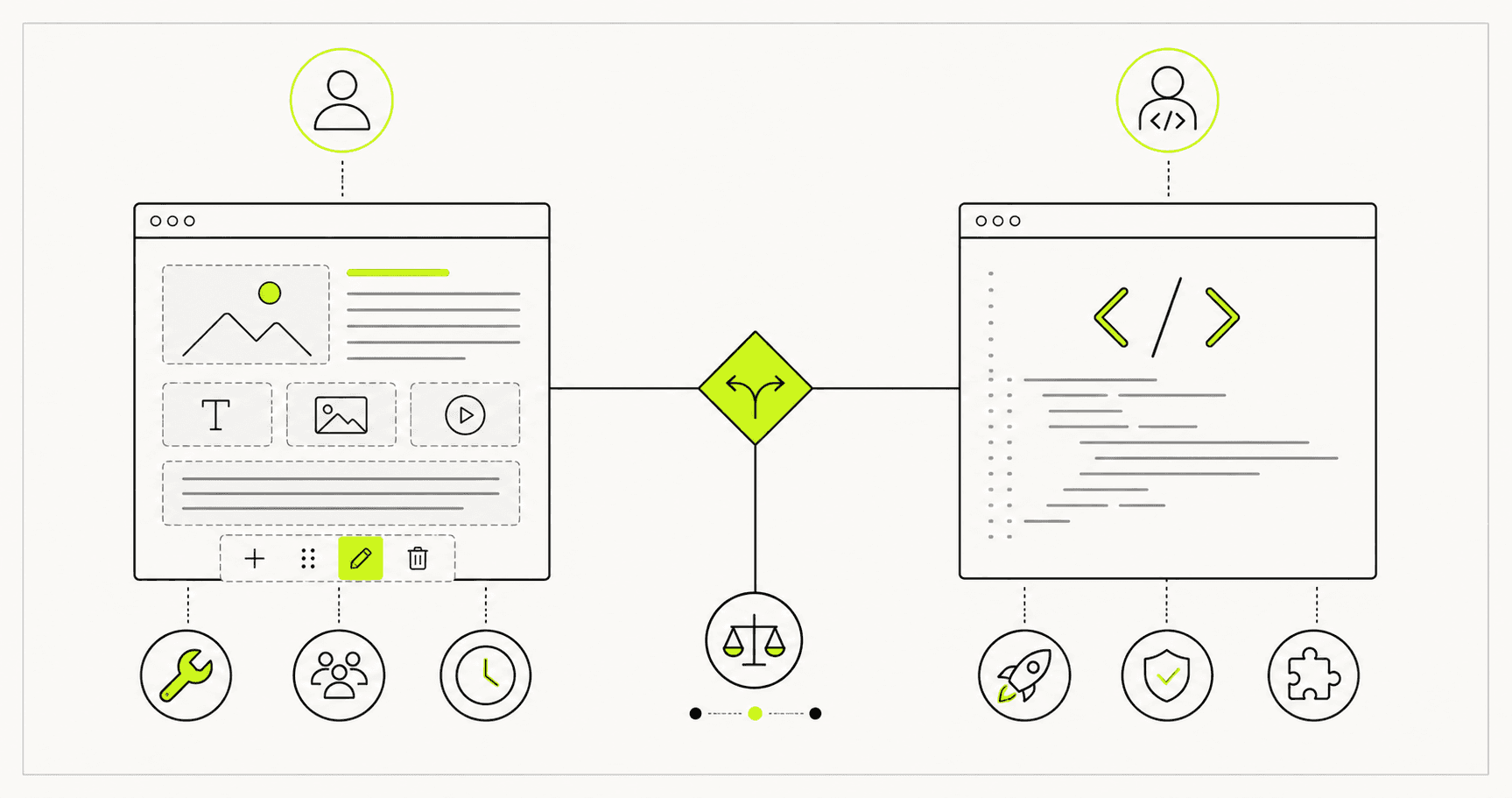
It fits when you need fine control of page experience, system integrations, or a path toward an app. If the main goal is frequent marketing edits without a standing developer, WordPress may fit some briefs better.
When to choose Next.js / React—and when WordPress may fit better
It fits when you need fine control of page experience, system integrations, or a path toward an app. If the main goal is frequent marketing edits without a standing developer, WordPress may fit some briefs better.
Sample case: a supply-chain services company (name withheld under NDA) had a legacy site built from a template that was hard to edit and slow. Over 70% of traffic came from search, but the main service page took more than 5 seconds to load on mobile. Bounce rate was high.
After migrating to Next.js with architecture that separates the data layer from public pages, the service page loads in under 2 seconds, bounce rate dropped about 22%, and the sales team started receiving leads from the mobile form that used to fail frequently.
Before: legacy template >5s load, high bounce, broken mobile form
Lesson: lock page and data scope before picking a stack—not the other way around
02
What to clear before locking the stack
Before build, separate content site vs app vs hybrid, and which pages must be especially fast.
Locking tools before data sources are known often forces mid-project architecture changes.
01
What to lock before build
These make a Next.js choice intentional.
Page types and content/data sources
Auth or permissions (if any)
Preferred deploy environment
Performance measures that matter
Who maintains the code after handover
Locking data sources and page types before build reduces mid-project stack changes.
03
What we actually deliver
Next.js work is worth it when the structure can grow and key pages actually work—not when a boilerplate install is the whole deliverable.
We design architecture for the job, build agreed pages and features, wire data or APIs as scoped, tune key-page performance, and hand over deploy guidance.
Example: a services site pulling an internal API kept public pages fast while authenticated areas stayed in a clear separate layer.
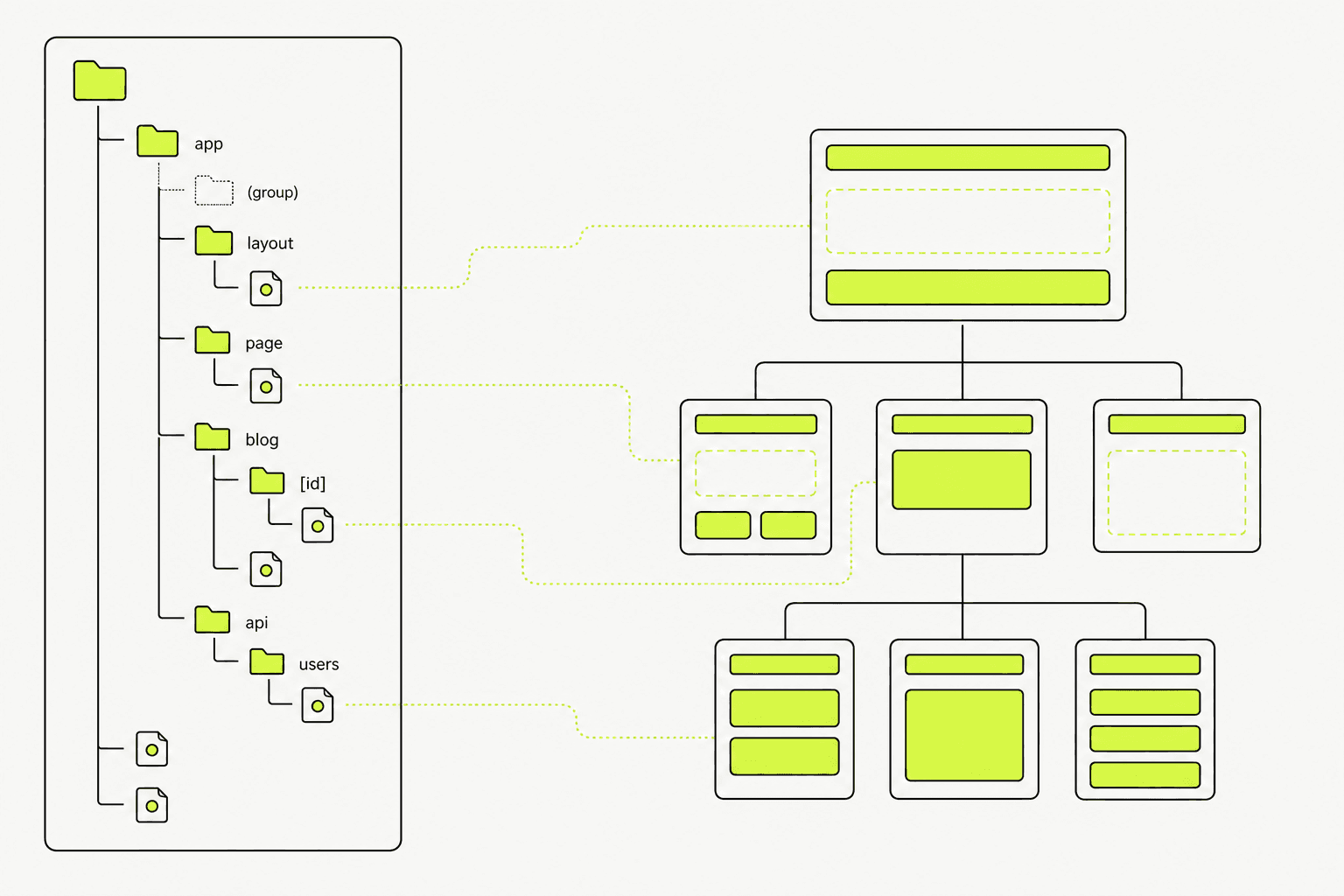
Architecture and project structure
Pages and components within scope
Data/API connections as agreed
Key-page optimisation and deploy guidance
A readable structure helps teams add features without breaking what already works.04
Work order—and what breaks at launch
A budget-safe order is page/data scope → architecture → iterative build → performance checks → deploy.
At launch, common failures are missing env vars, slow pages from heavy data fetching, and no code owner after handover.
01
How we work
Ship in cycles so the brief can be validated early.