Website quotes differ because they include different layers of work: strategy, content, UX/UI, development, and care after launch. A fair comparison looks at scope, outcomes, and responsibility in each layer rather than page count alone.
Quick summary
What you get from this article
- Asking for a price without a scope produces numbers you cannot compare.
- Split the budget across design, development, content, SEO, and care.
- Very low quotes usually cut invisible work such as structure, testing, and migration planning.
- The real cost of a website shows up in years two and three.
- Hold 15-20% contingency for issues discovered once detail work begins.
Why quotes for the same brief can differ widely
Two teams can price the same request very differently because each one interprets the scope differently. One page might mean a reused template, or a fully designed page with its own structure and copy.
Compare the work list before you compare the total. If a quote does not say what is included, the number is not ready for a decision.
Example case (name withheld): a services business received two quotes for an eight-page site. The cheaper quote excluded copywriting, launch SEO, and redirect planning. The fuller quote cost more upfront. Six months after launch, the clearer scope needed less SEO rework and search-led enquiries were roughly 40% higher over the same period.
Image slot prepared — artwork to follow
Image slot — table comparing scope in two website quotes
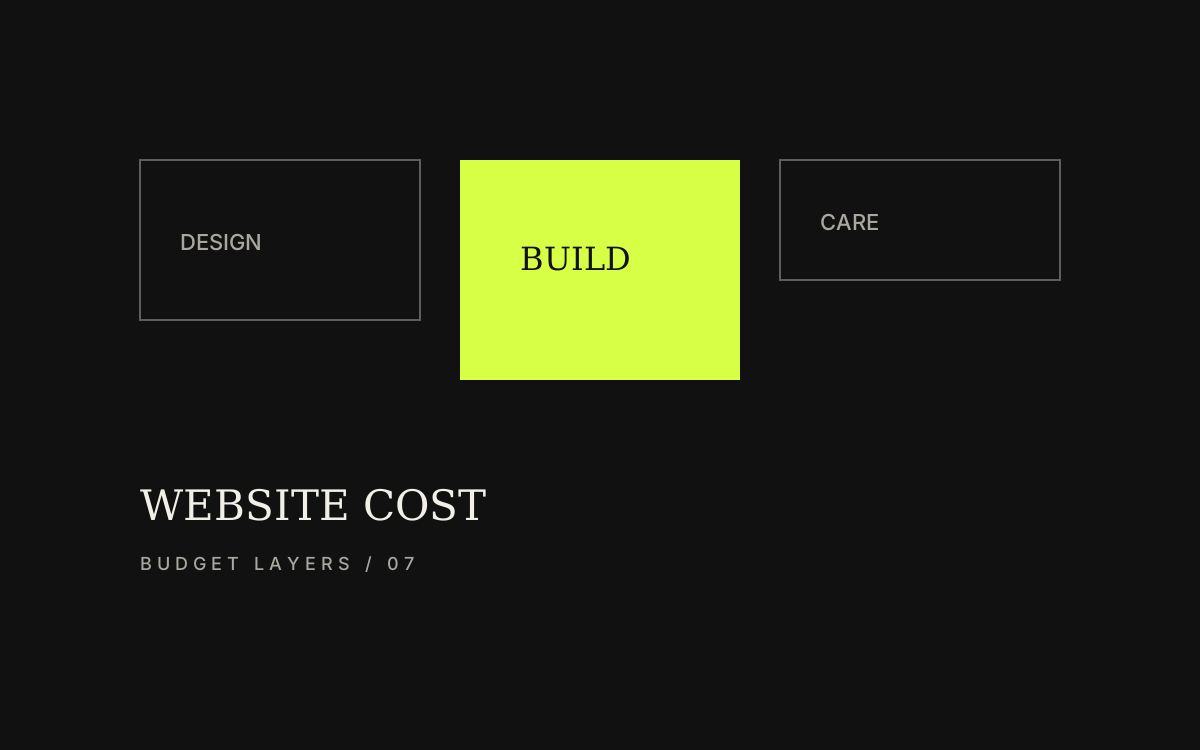
Split cost into five layers before you set a budget
Treating the website as one lump makes decisions harder. Separate the work, then decide what is required at launch and what can wait.
Each layer affects customers and the internal team differently. Cutting one without noticing usually returns as repeat spend within months.
- Structure and content: page map, key copy, and required information
- Interface design: hierarchy, states, and critical mobile screens
- Development: CMS, integrations, and performance
- Launch SEO: titles, headings, sitemap, and redirects if URLs change
- Ongoing care: security updates, backups, and post-launch edits
Image slot prepared — artwork to follow
Image slot — five-layer website cost diagram from strategy to care
An underpriced budget usually cuts invisible work
The first things removed to hit a low price are information structure, real-device testing, redirect planning, and training the team to edit content. Those gaps are hard to see on delivery day and expensive later.
Be wary of quotes that only list page counts and say nothing about content ownership, CMS, or revision limits.
- No information architecture before design
- No real mobile or form testing
- No redirect map when URLs change
- No training for self-service content edits
- No launch SEO or post-launch measurement plan
- No stated revision rounds or content ownership
Image slot prepared — artwork to follow
Image slot — line items often cut from underpriced website quotes
Fit the budget to the job the site must do
A brochure site with a phone number does not need the same budget as a site that collects qualified enquiries, takes bookings, or manages hundreds of products.
Write the outcome you want over twelve months, such as lead quality or time saved on updates, and use that as the test for whether a quote is good value.
If the site must connect to a CRM, booking system, or multiple languages, split integration budget from visual work — that layer often takes longer than page count suggests.
A good budget is not always the highest number. It is the one that covers the work that affects customers and the team after launch.
Contingency worth holding
Even with a clear scope, detail work surfaces missing copy, missing images, or extra integrations. A 15-20% contingency keeps the project from stalling mid-build.
Compare quotes on matching line items
Do not compare totals alone. Compare who owns content, whether launch SEO is included, how many revision rounds exist, how long post-launch support lasts, and what sits outside scope.
If one quote omits important line items, you will either pay later or absorb that risk yourself.
Ask for concrete deliverables: key wireframes, a redirect list, or a content editing training plan. Those details reveal scope gaps quickly.
Include hosting, domain, SSL, and annual care in the total picture rather than adding them after the build fee is agreed.
Image slot prepared — artwork to follow
Image slot — checklist for comparing website quotes line by line
Preparation
Information to prepare before you start
- Outcomes the website must deliver over 12 months
- Pages and features required on launch day
- Who owns content and who maintains the site
- Budget split across design, development, content, SEO, and care
- A 15-20% contingency for discoveries during the build
Related services