Homearrow_forwardServicesarrow_forwardSEOarrow_forwardE-commerce SEO
02SEO
Help categories and products get found in search
Start with money categories and products, fix crawl-hurting filters/URLs, then clarify product data—before writing long blog posts.
Category / SEOEstimated timeline / 4–12 weeks (first cycle)Budget / Quoted after we review the catalog
Scroll to continueEN / 2026
Many stores have large catalogs but thin categories, messy filtered URLs, or empty product fields—and customers still ask prices in chat. Strong store SEO starts with findable, sell-ready structure.
A strong fit when
This service fits when
Online stores with many categories and SKUs
Sites with weak organic product traffic despite a full catalog
Teams ready to improve templates—not only edit pages one by one
Expected outcomes
What the work should make clearer
Priority categories and products become findable and sell-ready—not ads-only
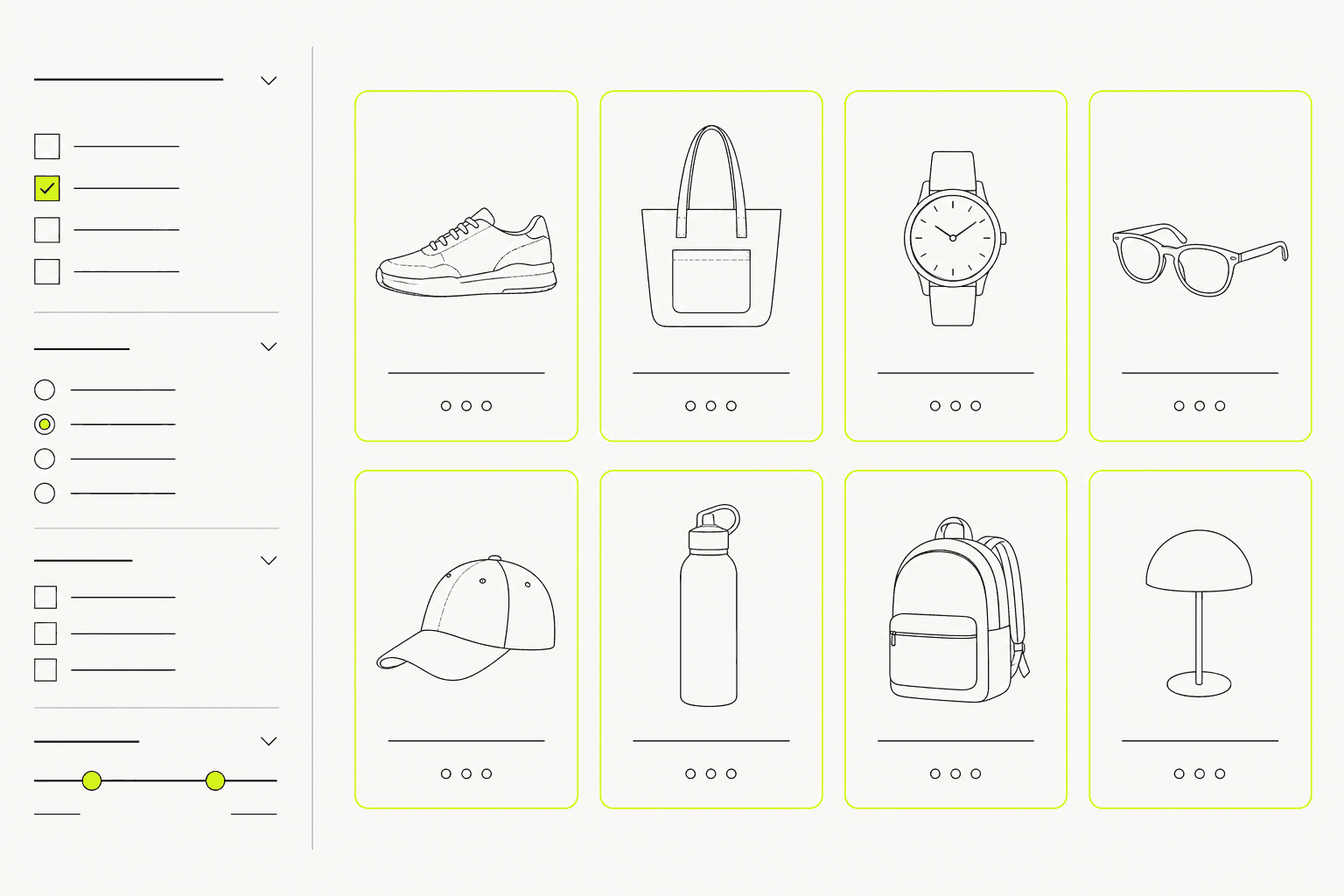
Duplicate filtered URLs are controlled
Organic performance is measurable by target page groups—not only site totals
Quick summary
What you get when you hire this service
05
01Priority category and product plan for cycle one
02Category title/content guidance that avoids duplication
03Canonical and filter rules developers can follow
04Basic product schema for key templates
05Organic metrics by category/product—not only site totals
From clients
What people who worked with us notice
“After categories and products became findable, web orders rose and LINE price questions dropped.”
“We focused money categories first instead of rewriting every SKU—and could measure organic on target pages in one cycle.”
Related work
Example work clients can review
Swipe through cases close to your brief. Each one focuses on a measurable outcome—not looks alone.
When store SEO should be separate from general SEO
It pays off when revenue depends on category and product discovery, and brand search alone is not enough.
If you do not have a store yet, build the store first—then layer SEO on a structure that can support it.
Fictional online-store scenario: product pages are hard to find and customers ask prices repeatedly in chat. Start with categories, product templates, and store structure, then measure orders and repeated questions from real data.
The lesson: findable product pages with clear price and stock cut chat load and reduce ad-only dependency.
Before: messy categories / products hard to find / repeated price chats
After: priority categories and products findable; orders and organic measurable
Lesson: lock category structure and templates before rewriting every SKU by hand
02
Lock store scope before implementation
Cycle one should pick priority categories and products—not attempt the whole catalog in one month.
01
What we need at kickoff
Better inputs make timeline and development estimates more accurate.
Category/SKU counts and revenue priorities
Store platform (Shopify, Woo, custom, etc.)
Access to edit templates and URLs
Merchant Center / feed status if available
Choose revenue categories first, then expand across the catalog.
03
What the first ecommerce SEO cycle delivers
We emphasize reusable store structure over rewriting every SKU description by hand.
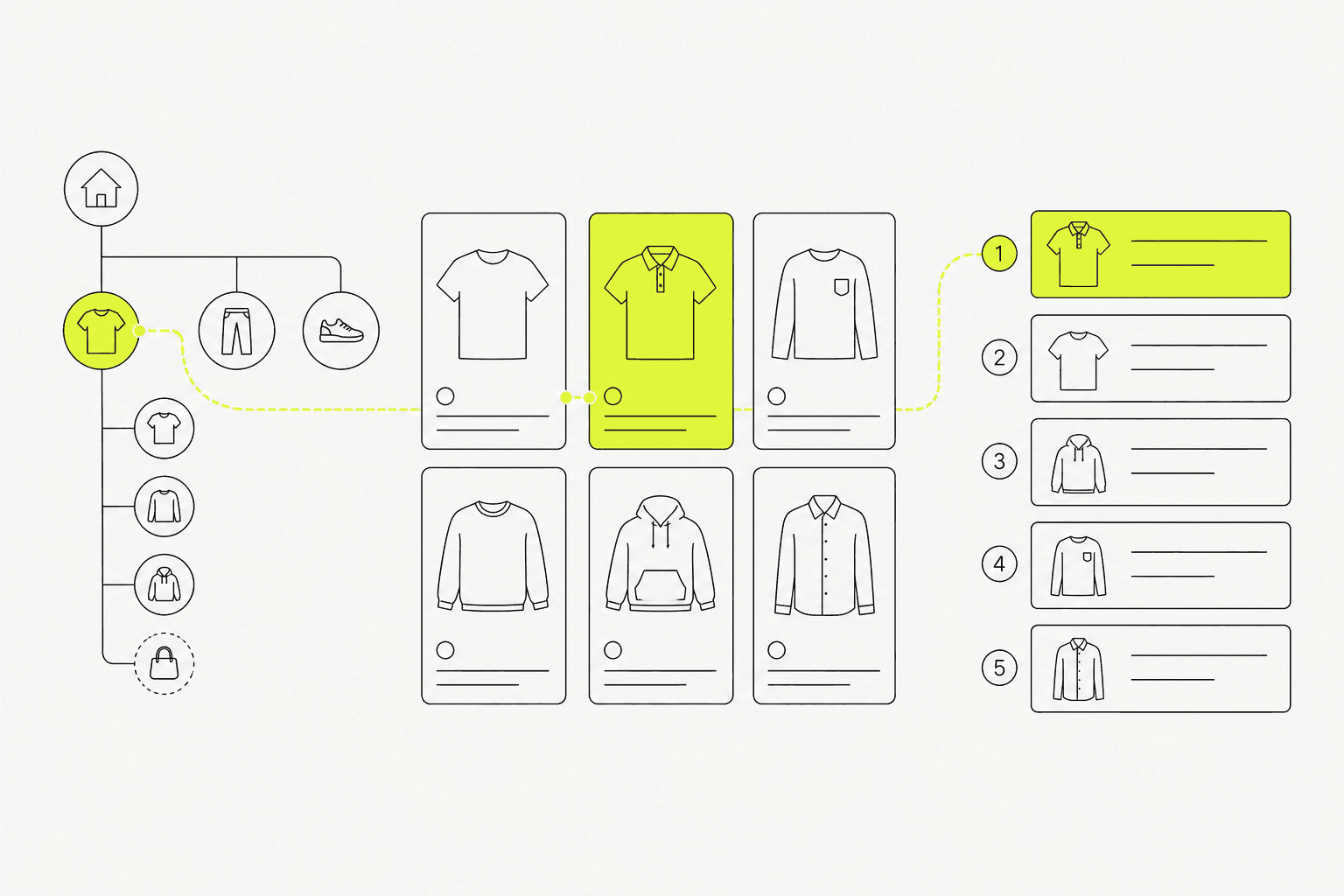
Architecture audit of categories, filters, and sample products
On-page guidance for category/product templates
Technical recommendations specific to ecommerce
Measurement plan for target page groups
Strong templates scale SEO across the catalog without manual one-off edits.04