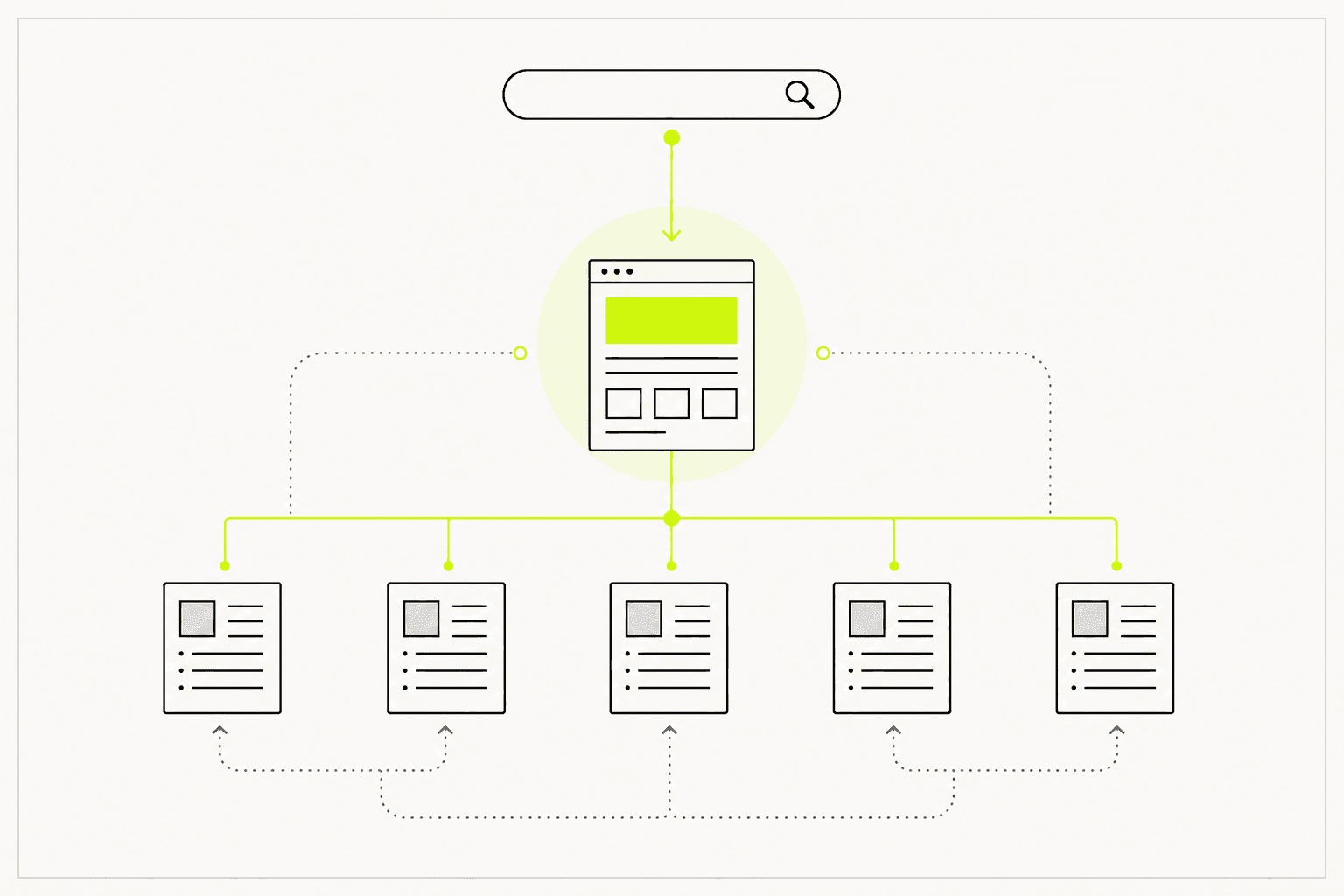
Close real gaps, lock money pages, set a 90-day roadmap with owners, and baseline organic on the target page group—without ranking promises.
Category / SEOEstimated timeline / 1–3 weeksBudget / Quoted after we review the site and data
Scroll to continueEN / 2026
Teams often buy links or publish posts before they know which pages matter. Strategy separates technical blockers, content gaps, and pages that are not ready yet—without promising rankings.
A strong fit when
This service fits when
Businesses starting SEO with limited time and budget
Teams juggling many issues without a shared order of work
Sites that have tried SEO but lack a roadmap and KPIs
Expected outcomes
What the work should make clearer
The team knows this cycle’s money pages and owners—not every channel at once
Organic/conversion on the target page group is measurable in one cycle—not only sitewide traffic
Quick wins stay separate from mid-term work—month one is not overloaded
Quick summary
What you get when you hire this service
05
01Plain-language gaps across technical, content, and authority
02Money pages and primary keywords to focus first
03A 90-day roadmap with named owners
04Baselines per target page group (not only the whole site)
05Stop criteria if the hypothesis is not paying off
From clients
What people who worked with us notice
“Locking the roadmap on course pages first lifted trials 56%—measured on target URLs, not whole-site traffic, and without ranking promises.”
“Money categories first got us to 54% web orders in 3 months. The team finally knew what this cycle was—not every channel at once.”
Related work
Example work clients can review
Swipe through cases close to your brief. Each one focuses on a measurable outcome—not looks alone.
When to start with strategy instead of jumping into tasks
It pays off when SEO activity is scattered across channels with unclear results, or you have many pages but no shared money-page list.
If crawl is broken or you still lack a keyword map, start with a technical audit or keyword research—then lock the plan.
Fictional education scenario: content is produced without order. The roadmap should prioritise course and schedule pages by intent, then measure trial requests on target pages rather than whole-site traffic.
Fictional e-commerce scenario: prioritise revenue categories first, then measure orders and repeated price questions by template using real post-launch data—without ranking promises.
No agreed target pages or primary queries yet
Budget and team capacity force hard prioritization
You need shared KPIs before a retainer starts
02
What to lock before planning
Good plans start from business facts, not tools alone. Offerings, customers, and pages that already sell help cut irrelevant keywords.
01
Inputs that keep the roadmap short and usable
Complete kickoff inputs keep the plan focused on work someone can own.
Core services/products and service areas
Competitors customers actually compare
Existing Search Console / Analytics access
Who can edit the site versus who can write content
Lock business goals and search data first so the roadmap stays short and assignable.
03
What you get from SEO strategy
Delivery should be a working document for the next sprint—not only slides.
Current-state and competitor gap summary
Target-page and keyword-cluster plan
Roadmap split into quick wins and mid-term work
KPIs and a review cadence
A useful roadmap sequences impact—it does not cram everything into month one.04
Work order and checks before implementation
Typical order: discover → group issues → choose target pages → draft roadmap → confirm with the team before ongoing work.
01
Steps
Each step leaves a checkable output so the plan does not sit unused.
Collect business context and tool access
Review site status and key competitors
Prioritize opportunities and draft the roadmap
Align with the team and lock starting metrics
02
Checks before the next workstream
A short list that prevents starting the wrong work type.
At least one primary target-page group exists
Clear split of DIY versus assisted tasks
A Search Console baseline (or equivalent) is set
Ranking #1 is not the primary success metric
Preparation
Information to prepare before you start
05
01Business outcomes you want SEO to support in 3–6 months
02Core offerings and important existing pages
033–5 online competitors customers compare
04Search Console / Analytics access if available
05Team limits for site edits and content production